
Fibromyalgia is often invisible to the outside world, yet for those living with it, the experience can be overwhelming.
Many people describe a deep, aching pain throughout the body. Joints feel stiff. Muscles feel heavy. Fatigue can be constant. Some days it can feel impossible to get out of bed.
For many women, the journey to diagnosis is long and confusing.
Symptoms are often mistaken for stress, depression, aging, or the exhaustion that comes with raising children and managing daily life. It can take years before someone finally hears the words
“You have fibromyalgia.”
But diagnosis is only the beginning.
The real question becomes:
How do you live well with it?
When Pain Becomes Part of Everyday Life
One of the most difficult parts of fibromyalgia is that the pain is widespread and unpredictable.
People often describe it as a deep body ache affecting muscles and joints throughout the entire body. Some compare it to the severe body pain experienced during illnesses like dengue fever — where everything hurts at once and even small movements feel exhausting.
Alongside the physical pain, many people experience:
-
Persistent fatigue
-
Brain fog
-
Mood changes or depression
-
Sensitivity to cold
-
Difficulty with everyday tasks
It can make simple things like cooking, walking, or even standing for long periods feel overwhelming.
Yet because the condition cannot always be seen on scans or blood tests, many people feel misunderstood or dismissed.
The Cycle of Pain and Low Mood
Fibromyalgia is not just physical.
For many people, the physical pain leads to emotional exhaustion. When the body hurts constantly, motivation disappears. Energy fades. Even small tasks can feel like climbing a mountain.
Often the pain comes first, followed by feelings of depression or hopelessness as the body becomes harder to manage day to day.
Breaking this cycle is one of the biggest challenges people face. And this is where movement can become powerful.
Why Gentle Movement Matters
One of the surprising discoveries many people make when living with fibromyalgia is that movement can actually help reduce symptoms.
Not aggressive exercise. Not pushing through pain. But gentle, intelligent movement.
Many people find that consistent movement helps to:
-
Reduce stiffness
-
Improve circulation
-
Support mood and energy levels
-
Build strength to support painful joints
-
Improve connection between the brain and body
Movement becomes less about “working out” and more about reconnecting with the body.
Reconnecting With Your Body
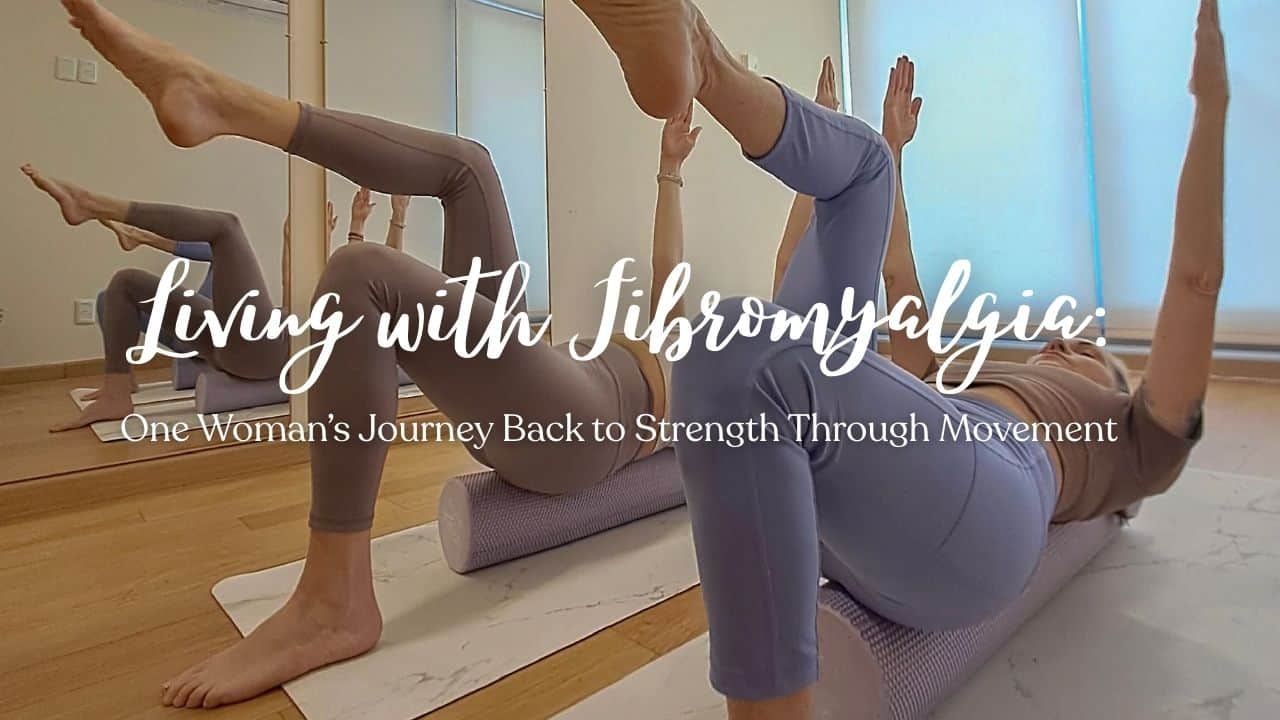
One of the most important elements of Pilates is awareness. For people living with fibromyalgia, this awareness can be transformative.
Rather than forcing the body to perform, Pilates encourages people to slow down and ask:
-
Where do I feel tension today?
-
Where do I feel pain?
-
How am I breathing?
-
What is my body trying to tell me?
Often the first step is simply lying on a mat and breathing. This breathing helps calm the nervous system and reconnect the brain with the body. From there, small movements begin — gently restoring strength, alignment, and control.
Over time, people begin to feel more in tune with their bodies rather than disconnected from them.
Finding Strength Again
Living with fibromyalgia requires patience. There is no quick fix.
But many people discover that with the right support, they can rebuild strength, reconnect with their bodies, and regain confidence in movement.
Small steps matter. A gentle class. A slow walk outside.
Breathing deeply and reconnecting with the body.
Over time, these small changes add up to meaningful improvements in quality of life.
Are You Living With Fibromyalgia?
If you are experiencing:
-
Ongoing body pain
-
Constant fatigue
-
Stiffness and muscle soreness
-
Low energy or mood changes
-
Difficulty with everyday movement
You are not alone.
At Encore Pilates & Wellness, we take a thoughtful, individual approach to movement. Our clinical Pilates sessions are designed to help people reconnect with their bodies, build strength safely, and support long-term wellbeing.
If you are living with fibromyalgia and looking for a supportive, intelligent approach to movement, we would love to help.
Contact our team today to book an initial consultation and begin your journey back to strength and confidence.
Your body is not broken. It simply needs the right support.